everyone belongs outside
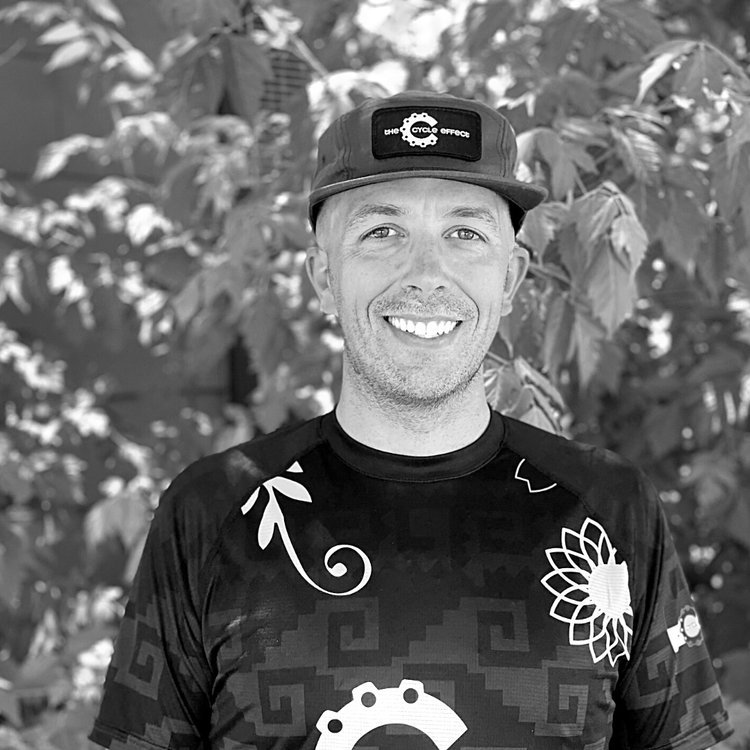
Brett Donelson, Co-Founder of The Cycle Effect
In communities like ours, nestled among the mountains and wide-open trails, we often speak proudly about the access we enjoy to the outdoors. Trails provide space to breathe, play, and connect. But what happens when that access starts to feel fragile or unequal? In his Vail Daily letter to the editor “Everyone Belongs Outside,” Brett Donelson offers his thoughts on ensuring that our outdoor spaces truly feel welcoming and safe for everyone in our community.
Brett reflects on how fear and inequity are creeping into places that once offered joy and freedom, especially for young people and families who might now hesitate to show up simply because they don’t feel secure. He reminds us that the outdoors are vital for mental health, confidence, community, and belonging. And that protecting this shared space means confronting fear and exclusion head-on through inclusion, advocacy, and everyday choices.
Here is Brett’s full message about why belonging outside is essential. It’s not just an idea, but something we must actively defend and live by.
Everyone Belongs Outside: A Letter from Brett Donelson
In the Vail Valley, we talk a lot about access to trails, to mountains, to opportunities. It’s one of the things that defines life here. We celebrate our ability to step outside and find space to breathe, move and reconnect. But access isn’t something that everyone experiences equally.
And right now, with increased ICE activity in our region and in mountain towns like ours across the West, that inequity is becoming impossible to ignore.
At The Cycle Effect, our mission has always been about more than bikes. We work to empower young girls and women through mountain biking to give them tools for confidence, connection and lifelong health.
For many of our athletes, the trail is a place of freedom, where language, background and circumstance fall away. But over the past several months, we’ve seen fear creep into places where joy once lived. Families who used to show up without hesitation are now asking if it’s safe to come to practice, or whether traveling to an event might put them at risk.
This isn’t theoretical. It’s happening in real time, in our community. And it should concern all of us.
When a young person grows up afraid to show up for something that’s supposed to make them stronger, we’re failing them. When parents have to choose between giving their child a positive experience and feeling safe in public, something fundamental has broken down. The outdoors should be the last place where anyone feels fear or exclusion.
It’s important to understand the ripple effect this has. Access to the outdoors isn’t just about physical activity; it’s about mental health, social connection and opportunity. Study after study shows that time outside reduces anxiety, builds self-esteem and fosters community. When that access becomes uneven, when some kids feel welcome and others feel watched, it widens a divide that already exists in rural and resort towns like ours.
We can do better.
For those of us who live and work in the Vail Valley, inclusion can’t just be a value we list on our websites or mention in board meetings. It has to show up in our daily choices, in who we hire, who we support, and how we show up for one another. Local leaders, nonprofits and residents alike need to make it clear that our community stands for belonging, not fear. That means advocating for policies that protect families, funding programs that connect youth to the outdoors, and showing up when the people around us are feeling vulnerable.
Mountain towns have always been built on the idea of shared space and a belief that nature belongs to everyone. But that idea only holds if we defend it. When fear dictates who gets to be outside, we lose more than participation; we lose part of what defines the character of this valley.
At The Cycle Effect, we’ll keep showing up for our athletes. We’ll keep building programs that open doors, not close them. And we’ll keep reminding our community that inclusion isn’t a side conversation — it’s central to who we are and who we hope to be.
To the young people who may be feeling anxious right now: You belong here.
To the families who are unsure: Your presence makes this community stronger.
And to the rest of us: This is our chance to prove that when we say “everyone belongs outside,” we mean it.